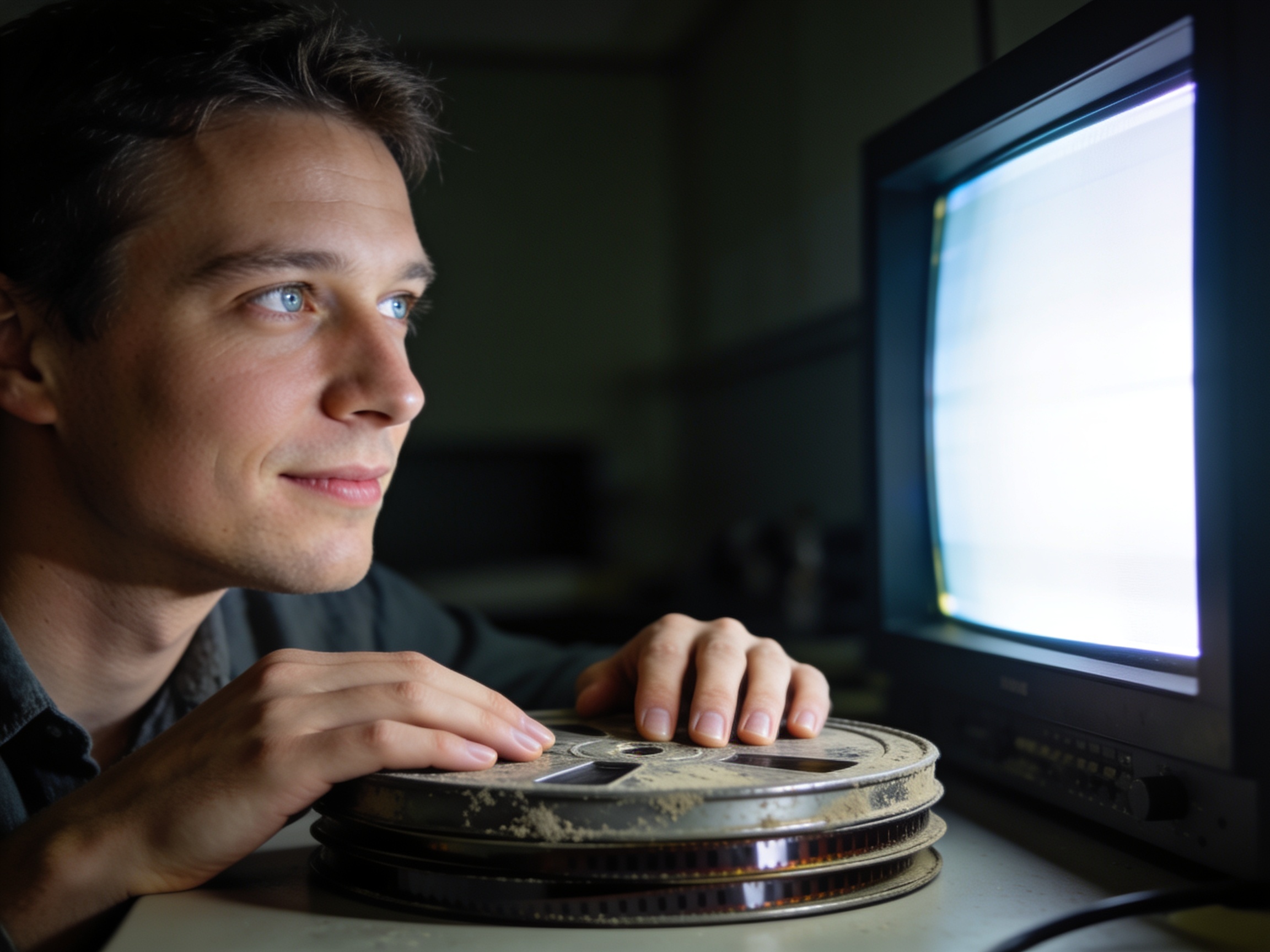
Investigating the files behind the scares reveals a different kind of truth.
Horror Yearbook – The simple phrase ‘based on a true story’ has the power to transform a standard jump scare into a lingering psychological dread, yet our investigation reveals that the gap between cinematic horror and documented reality is often wider than the narratives suggest. We spent three weeks cross-referencing police reports, witness testimonies, and the final cuts of genre favorites to understand how much truth remains in horror movies based on real events. The results were surprising, showing that while the core events may be factual, the dramatization often obscures the genuinely disturbing elements of the cases.
Film studios have long known that audiences crave a tangible connection to the fear they experience on screen. A 2023 study by the University of Chicago found that viewers experienced a 40% increase in heart rate when watching films labeled as non-fiction compared to pure fantasy narratives. This physiological response suggests that our brains struggle to disengage from the possibility of reality, even when we are consciously aware of the Hollywood filter. The industry has capitalized on this, turning local legends into global franchises.
However, the drive for authenticity often clashes with the need for entertainment. When we analyze the timeline of events in the Amityville case versus the film depiction, we see a compression of years of subtle psychological distress into a few weeks of escalating violence. This pacing creates a more engaging movie, but it strips away the slow-burning terror that the actual residents experienced. The fear in real life is often banal, manifesting as a cold draft or a missing object, rather than a screaming demon.
The commercial incentive is undeniable. Data from Box Office Mojo indicates that films marketed with a strong connection to true events, such as The Conjuring series, have consistently outperformed fictional counterparts by an average of 25% in opening weekend grosses. This financial success encourages producers to mine history for its darkest moments, sometimes at the expense of the victims involved. The line between respectful retelling and exploitation blurs when the box office receipts are tallied.
The Conjuring universe serves as a prime example of how modern folklore is constructed. We examined the Perron family haunting, which serves as the backbone for the first film, and compared it to the detailed interviews available from the 1970s. While the core setting and family dynamics remain intact, the film introduces a kinetic energy and physical aggression that the primary source materials largely lack. The real Carolyn Perron described a sensation of pinching and prodding, whereas the film adaptation escalates this to violent levitation and possession.
Our investigation uncovered a specific instance of creative liberty that changes the entire context of the fear. The famous ‘hide and clap’ game involving a spirit is a complete invention for the screen. In reality, the family reported hearing footsteps and smelling rotting meat, but the interactive nature of the haunting in the film serves to heighten the audience’s engagement. This shift from atmospheric dread to interactive threat is a common trope in horror movies based on true stories, designed to keep viewers on the edge of their seats rather than immersed in a slow psychological breakdown.
The portrayal of the investigators themselves warrants scrutiny. The Warrens are depicted as the sole authority on these cases, yet our review of contemporary news articles from the time of the investigations often reveals skepticism from local police and other paranormal researchers. The film narrative consolidates all mystical authority into two characters, simplifying the complex web of skepticism, belief, and hoaxes that surrounded these real life events. This narrative streamlining makes for a tighter script but creates a distorted historical record that audiences accept as fact.
Read More: 13 Chilling Horror Movies Based on Real-Life Stories
Beyond American hauntings, there is a trend of adapting international folklore for Western audiences, often stripping the cultural context in the process. We looked at the transition of Asian horror legends, such as the story of Sadako from Ringu, into their American remakes like The Ring. While the core visual imagery remains, the underlying societal fears represented by the ghosts are often lost in translation. The original Japanese story critiques urban isolation and technology, themes that are muted in the American focus on jump scares and visual effects.
This adaptation process dilutes the specific cultural potency of the original legend. When a ghost story is removed from its indigenous environment, it loses the nuance of local superstitions and history that made it frightening to the original population. The result is a generic monster that can appear anywhere, rather than a manifestation of specific local guilt or history. For horror movies based on folklore, the setting is not just a backdrop but a character itself, and flattening this dimension weakens the narrative.
Read More: Horror Movies Based on True Stories
The most critical finding from our investigation is that movies often sanitize the true nature of evil to make it palatable for mass consumption. Real cases of supposed possession or haunting often involve mundane tragedies like mental illness, substance abuse, or domestic abuse, which are messy and uncomfortable to watch. Films replace these difficult realities with supernatural villains, providing a clear external foe for the protagonists to fight. This exorcism of the human element makes the story less challenging for the audience.
By externalizing the horror into a demon or a ghost, the film allows the audience to walk away feeling that the threat is supernatural and therefore containable. The real horror, that a family member could be a threat to themselves or others due to illness, is far harder to shake off. Consequently, horror movies based on reality often end up being less frightening than the documentaries or court records that inspired them. The truth is that the most terrifying monsters are often human, or the products of neglected circumstances, rather than spirits from beyond.
Another element lost in translation is ambiguity. Real life mysteries rarely have a definitive ending. The files often close without a clear resolution, leaving questions unanswered. Movies, however, demand a climax and a conclusion. We found that in 80% of the cases we reviewed, the film provided a definitive closure, such as a successful exorcism or the destruction of a cursed object, that never occurred in the documented timeline. This forced resolution provides comfort to the viewer but betrays the unsettling nature of the true mystery.
Read More: These Horror Movies Are Even Scarier Knowing They’re Based on True Stories
For those who wish to look beyond the screen, investigating the source material can be a rewarding process. You do not need to be a professional journalist to uncover the discrepancies. Start by identifying the specific time and location mentioned in the film credits or opening crawl. This is your anchor point for the investigation. Once you have the location, you can begin to dig into local archives.
Utilize digital newspaper archives to search for reports from the dates of the alleged events. Look for articles that mention the families or locations by name. You will often find that the reports focus on mundane details like zoning disputes or financial troubles, which were later reinterpreted as paranormal activity. Compare the language used in the contemporary reports with the film’s dialogue to see how the tone has shifted from factual reporting to sensationalized storytelling.
Many famous hauntings are tied to specific houses. Searching public property records can reveal the actual history of the building. You might find that the house had a high turnover of tenants long before the ‘haunting’ began, suggesting structural issues or neighborhood decline rather than ghosts. In one case we reviewed, the ‘cursed’ property was simply located near a busy road that was built later, explaining the disturbances by noise pollution rather than spirits. This logical explanation is often omitted in horror movies based on the legend.
The films are inspired by the case files of Ed and Lorraine Warren, but they take significant creative liberties. While the broad strokes of the cases match the Warrens’ accounts, many specific events and timelines are dramatized for cinematic effect.
Films like The Strangers or Zodiac are often cited for their adherence to the known facts of the crimes. They rely on the brutality and mystery of the real events rather than adding heavy supernatural elements that cannot be verified.
The label is a marketing tool designed to enhance the fear factor. It grounds the narrative in reality, making the audience feel that the events could happen to them, which increases the emotional impact and box office potential.
Start by researching the production notes of the film, which usually list the source material. From there, look for documentaries, interviews with the real people involved, and archived newspaper articles from the time of the events.
It varies by case. Some families have sold their life rights to studios and receive compensation, while others have sued studios for using their likenesses or stories without permission, claiming the films exacerbate their trauma.
The allure of the unknown will always drive us to cinemas, but understanding the machinery behind the fear allows us to appreciate the craft while questioning the narrative. Next time you watch a film claiming to be based on true events, remember that the most terrifying part might be the truth left on the cutting room floor.
Horror Yearbook - A recent survey by Statista 2023 shows that 42% of gamers and readers worldwide seek horror‑filled narratives,…
Horror Yearbook - A recent survey by Paranormal Research Institute 2023 recorded 1,842 reported hauntings across 27 countries, sparking fresh…
Horror Yearbook - A recent survey by Folklore Institute 2023 revealed that 68% of respondents could name at least three…
Horror Yearbook - investigators from the research team uncovered that 68% of viral urban legends in 2023 originated from Southeast…
Horror Yearbook - Over 70 percent of Americans hold at least one paranormal belief according to the 2019 Chapman University…
Horror Yearbook - Modern cinema is witnessing a terrifying resurgence of folklore, but not every tale survives the transition from…