Horror Yearbook – Classic campfire horror stories are returning to the spotlight as digital platforms transform whispered legends into immersive online experiences for a new generation.
Once shared in the flickering glow of a campfire, classic campfire horror stories now thrive on streaming services, social media, podcasts, and interactive apps. Their familiar structure, simple plots, and haunting twists fit perfectly into short-form and long-form digital formats. Audiences who once heard these tales from friends or older relatives now encounter them through headphones, screens, and virtual communities.
Creators adapt these legends into series, anthologies, and cinematic shorts, preserving recognizable motifs like isolated cabins, haunted woods, and mysterious strangers. However, they also update settings, technology, and character behavior to match modern life, making each story feel both nostalgic and unsettlingly current.
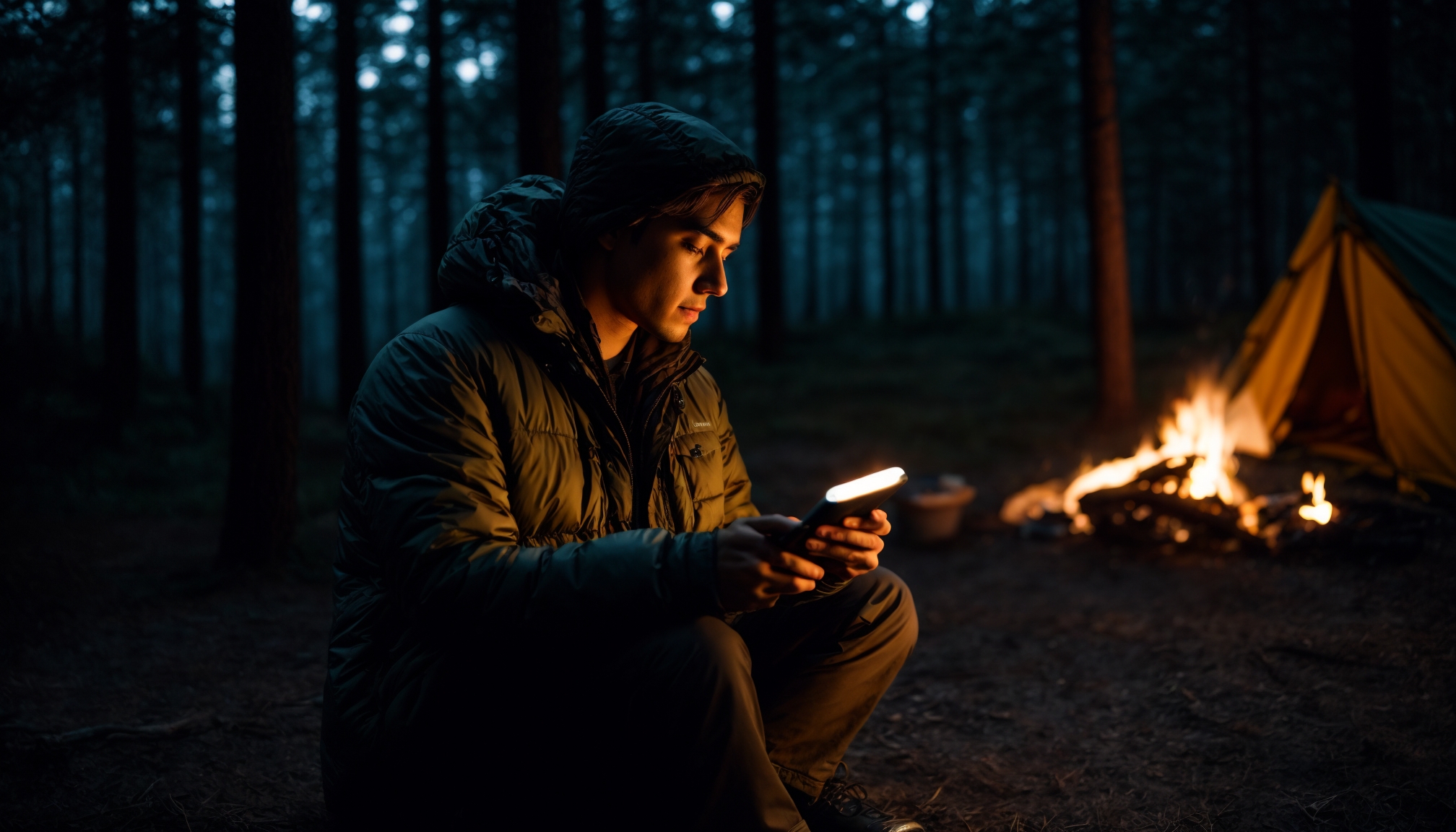
As more people live in dense urban environments, classic campfire horror stories serve as a bridge to imagined wilderness and isolation. The fear of the dark forest now meets the fear of losing connection, GPS failure, or a dead smartphone battery. This contrast between hyper-connected cities and empty woods gives creators a powerful narrative tension.
Digital horror channels capitalize on this tension. They frame classic setups—getting lost on a back road or seeing lights in the distance—as metaphors for feeling out of control in everyday life. Because the themes remain universal, the transition from campfire circle to digital feed feels natural rather than forced.
Modern platforms do more than simply record classic campfire horror stories; they turn them into interactive experiences. Many podcasts invite listeners to submit personal encounters or regional legends, blending folklore with user-generated content. Storytellers then rewrite and dramatize these submissions, giving each tale professional pacing, sound design, and character arcs.
On video platforms, creators use found-footage styles, POV filming, and minimal special effects to mimic the intimacy of someone recounting a terrifying night. Comment sections allow viewers to debate endings, propose alternative explanations, and add their own related anecdotes, extending the life of each legend far beyond its original telling.
Baca Juga: Comprehensive overview of folklore and oral storytelling traditions
Several types of digital spaces now specialize in reviving and reshaping classic campfire horror stories. Audio platforms host anthology podcasts that reimagine time-worn tales with subtle modern twists. Episodes may revisit the hook-handed killer, haunted highways, or eerie phone calls, but with updated motives and psychological depth.
Meanwhile, social platforms encourage micro-fiction: short text posts or threads recounting a chilling experience in just a few paragraphs. These bite-sized narratives resemble the quick tales once told to scare friends before bed, but they now reach global audiences within minutes.
Visual-based platforms have become especially fertile ground for reinterpreting classic campfire horror stories. Short horror films recreate familiar legends with careful lighting, atmospheric soundscapes, and subtle visual hints that reward close viewing. Filmmakers often maintain the core narrative while changing details like character backgrounds or social dynamics to reflect contemporary issues.
Streaming services also produce anthology series that draw heavily from traditional legends. Episodes might set the story in a summer camp, remote vacation rental, or mountain trail, echoing the original context while leveraging modern cinematography. This approach keeps the heart of the legend intact while giving it professional polish.
Community interaction now plays a central role in sustaining classic campfire horror stories. Online forums, fan groups, and dedicated horror communities compare regional variations, trace story origins, and debate which versions feel most authentic. This collaborative culture mirrors old oral circles, where each storyteller added or removed details to suit their audience.
Because of this participation, users feel like co-creators rather than passive consumers. They propose new endings, reframe motives, or invent sequels that later gain traction and migrate across platforms. As a result, the legends continue to evolve, just as they did when passed from person to person in the dark.
Modern creators must balance respect for classic campfire horror stories with the expectations of digital audiences. Listeners and viewers want familiar chills, but they also demand stronger character development, clearer motivations, and more nuanced themes. Creators respond by layering psychological tension, social commentary, and ethical questions over familiar plots.
At the same time, careful pacing and minimal exposition keep the lean power of traditional legends intact. A well-timed reveal or unresolved ending still carries tremendous impact, especially when paired with strong audio or visual design. This balance explains why classic campfire horror stories continue to resonate even as storytelling tools evolve.
Despite shifting technologies, classic campfire horror stories remain remarkably durable. Their core strengths—simple setups, escalating tension, and memorable twists—translate seamlessly into audio episodes, video shorts, and interactive threads. Every new platform adds another layer of reach, ensuring that familiar legends never fully disappear.
As younger audiences discover and reshape these tales, they extend the life of each legend far beyond its original campfire circle. In doing so, they prove that classic campfire horror stories can still unsettle, surprise, and connect people, whether told under the stars or streamed through headphones in a darkened room.