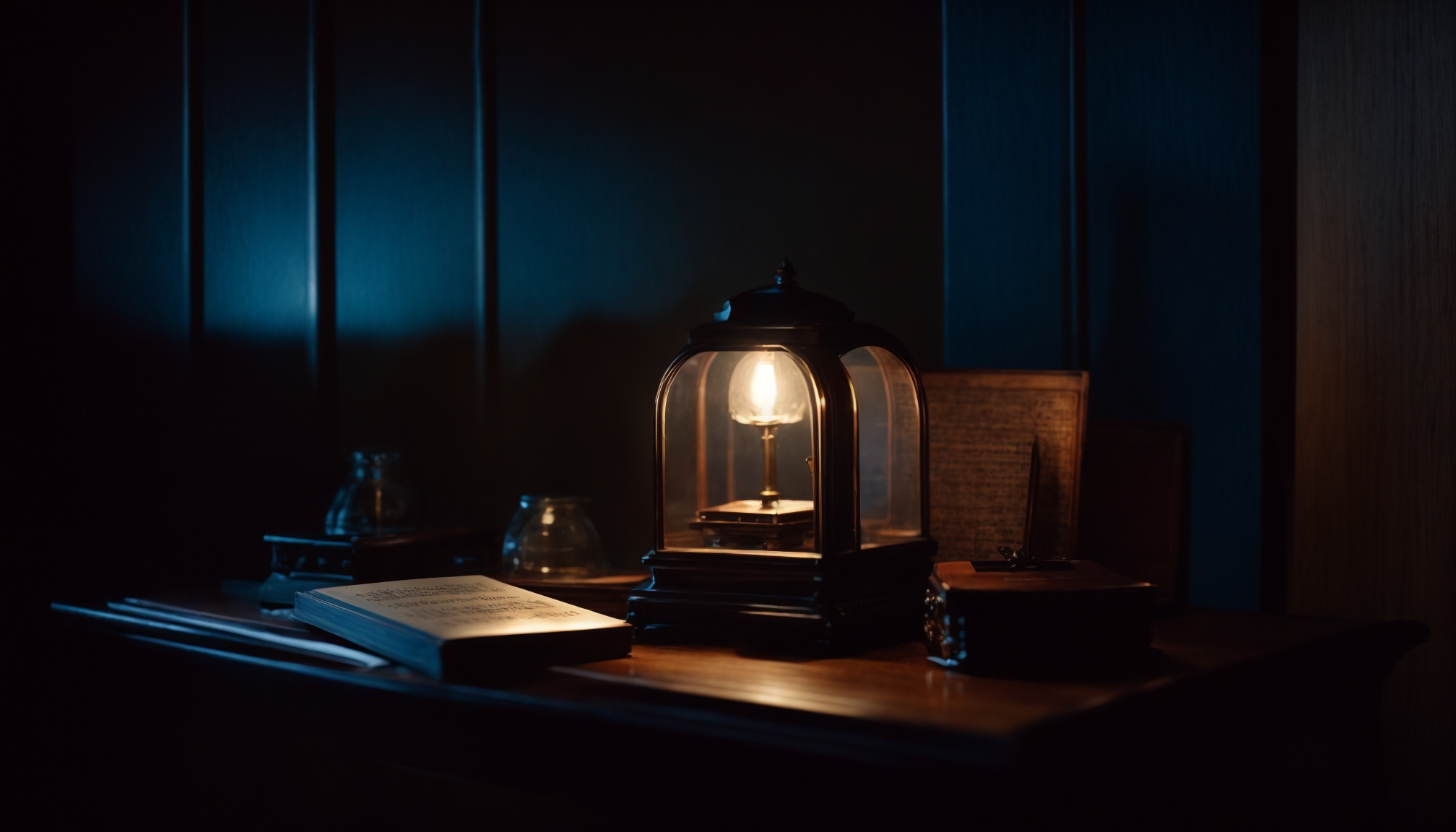
Horror Yearbook – Writers increasingly rely on haunted object tension stories to scare readers using dread instead of graphic violence.
Haunted object tension stories thrive on proximity. The threat sits on a shelf, a finger, or a desk. It shares the room with the character. Because the danger feels constantly present, you can build fear through anticipation instead of blood. Readers imagine what might happen, which is often more disturbing than anything described explicitly.
Characters cannot easily escape a cursed ring, a mirror, or a music box. The object is portable and intimate. However, the horror stays subtle at first. A clock stops at the same time every night. A doll moves a few inches. A phone plays a voicemail that was never recorded. Each tiny change tightens the psychological noose.
In addition, haunted object tension stories focus on violation of the ordinary. A normal item becomes unsafe. That contrast between familiar and corrupted creates cognitive friction. Readers feel that something is fundamentally wrong, even when nothing bloody happens on the page.
First, clarify what the object wants or what it does. The rules do not need to be fully explained, but they must feel consistent. Satisfying haunted object tension stories rely on cause and effect, even when the cause remains hidden. When the protagonist acts, the object responds in a recognizable pattern.
Second, slow down the moments of uncertainty. Let the character notice minor details: a changed temperature, a ticking sound, a reflection out of place. Because the reader lingers inside these moments, tension thickens. Meanwhile, avoid jumping too quickly to dramatic events. The long wait is where fear grows.
Third, keep consequences psychological before they become physical. Nightmares, insomnia, paranoia, and strained relationships show that the object is working. On the other hand, if you rush into injuries or death, you lose the chance to explore that creeping transformation.
Atmosphere is the backbone of haunted object tension stories. Start by anchoring the object in a vivid environment. Describe textures, smells, and sounds rather than relying only on sight. A dusty music box with a metallic tang in the air feels more menacing than a generic “creepy music box.”
Lighting is crucial. Flickering bulbs, dim lamplight, or blue glow from a television can shape mood without mentioning blood. Because readers associate certain environments with safety, twisting those expectations amplifies fear. A bright kitchen at noon can feel deeply wrong if the object behaves strangely there.
Nevertheless, avoid purple prose. Choose a few sharp, concrete details and repeat them with slight variations. A humming noise that keeps returning, a cold patch in the same doorway, or the same whispered phrase in different rooms can quietly signal escalation.
Character reactions drive the terror in haunted object tension stories. Instead of describing wounds, describe spiral thoughts. Show how the object invades daily routines. The protagonist checks the drawer five times before bed, then cannot sleep. They avoid certain rooms. They lie to friends.
Internal conflict matters. Maybe the object offers something desirable: a memory of a dead loved one or a promise of success. Because the character wants what the object offers, they rationalize the early warning signs. This tension between desire and fear creates drama without a single drop of blood.
As a result, dialogue becomes a tool for tension. Friends dismiss the protagonist’s concerns. Partners get frustrated. Therapists doubt them. Every skeptical response isolates the protagonist further and strengthens the object’s hold.
Sound is a powerful tool in haunted object tension stories, especially on the page. Repeated noises signal patterns the character cannot ignore. A single piano note at 3 a.m., knuckles tapping from inside a wardrobe, or the steady click of a turning key will linger in the reader’s mind.
Silence can be even worse. Describe how normal household sounds vanish when the object is near. The fridge stops humming. The street outside goes quiet. The exaggerated silence becomes a character in itself. Readers feel that something is listening, waiting.
Repetition ties these elements together. Each night the same event occurs, but with a slightly higher stake. After that, break the pattern at the worst possible moment. The object fails to act when expected, and the character realizes it has changed its rules. Uncertainty spikes, and dread surges.
Pacing is where many haunted object tension stories either succeed or collapse. Think in terms of steps, not leaps. Begin with ambiguous incidents that could be coincidences. Then move to clearly unnatural events that are still nonviolent.
Only later should the object threaten. Doors lock on their own. Phones dial themselves. A character wakes with the object in their hand, though they left it elsewhere. Because you have already seeded fear, even a small physical threat feels enormous.
Read More: Techniques for writing deeply unsettling horror without any graphic gore
Never resolve tension with an easy confrontation. If the protagonist tries to destroy or discard the object, let that attempt fail or backfire. The item returns, or something more valuable disappears instead. The reader learns that the nightmare will not end cleanly.
Even without explicit gore, haunted object tension stories can hint at invisible harm. A character may find hair tangled around the object, or faint bruises in the shape of its outline. Do not describe the injury in graphic detail. Instead, push attention toward how the character feels while discovering it.
Environmental evidence can imply violence happened off-page. A cracked photo frame, scuffed floorboards, or stains that refuse to clean away suggest that the object has a destructive history. Because the actual events stay unseen, the reader’s imagination fills the gap more brutally than any explicit description.
Use mirrors, reflections, and shadows sparingly. A reflection that moves slower than the character or looks in the wrong direction can unsettle without any need for blood.
Endings often determine whether haunted object tension stories linger in memory. Avoid simple victories. Instead, aim for bittersweet, ironic, or cyclical conclusions. Perhaps the protagonist escapes, but someone else unknowingly acquires the object. Maybe they survive by accepting a terrible bargain.
Therefore, tie the final moment back to the object’s rules or origin. Reveal a new piece of information that recontextualizes earlier scenes. The reader realizes that the object manipulated events from the start, and the tension retroactively deepens.
Finally, let the closing image be quiet but profoundly wrong. A child humming the object’s tune, a dark window reflecting the object where it should not be, or a voicemail in the protagonist’s own voice can end haunted object tension stories on a lingering shiver instead of a bloody climax. That restraint often makes the horror far more enduring than any graphic scene.
For writers willing to trust implication over spectacle, haunted object tension stories offer one of the most effective pathways to unsettling, unforgettable horror.