Horror Yearbook – Writers and filmmakers have long drawn inspiration from humanity’s darkest ceremonial practices, creating ancient ritual horror stories that tap into primal fears buried deep within the collective unconscious. These narratives explore forbidden knowledge, cursed artifacts, and ceremonies that should never have been performed, resonating with audiences who sense something terrifyingly authentic beneath the fiction.
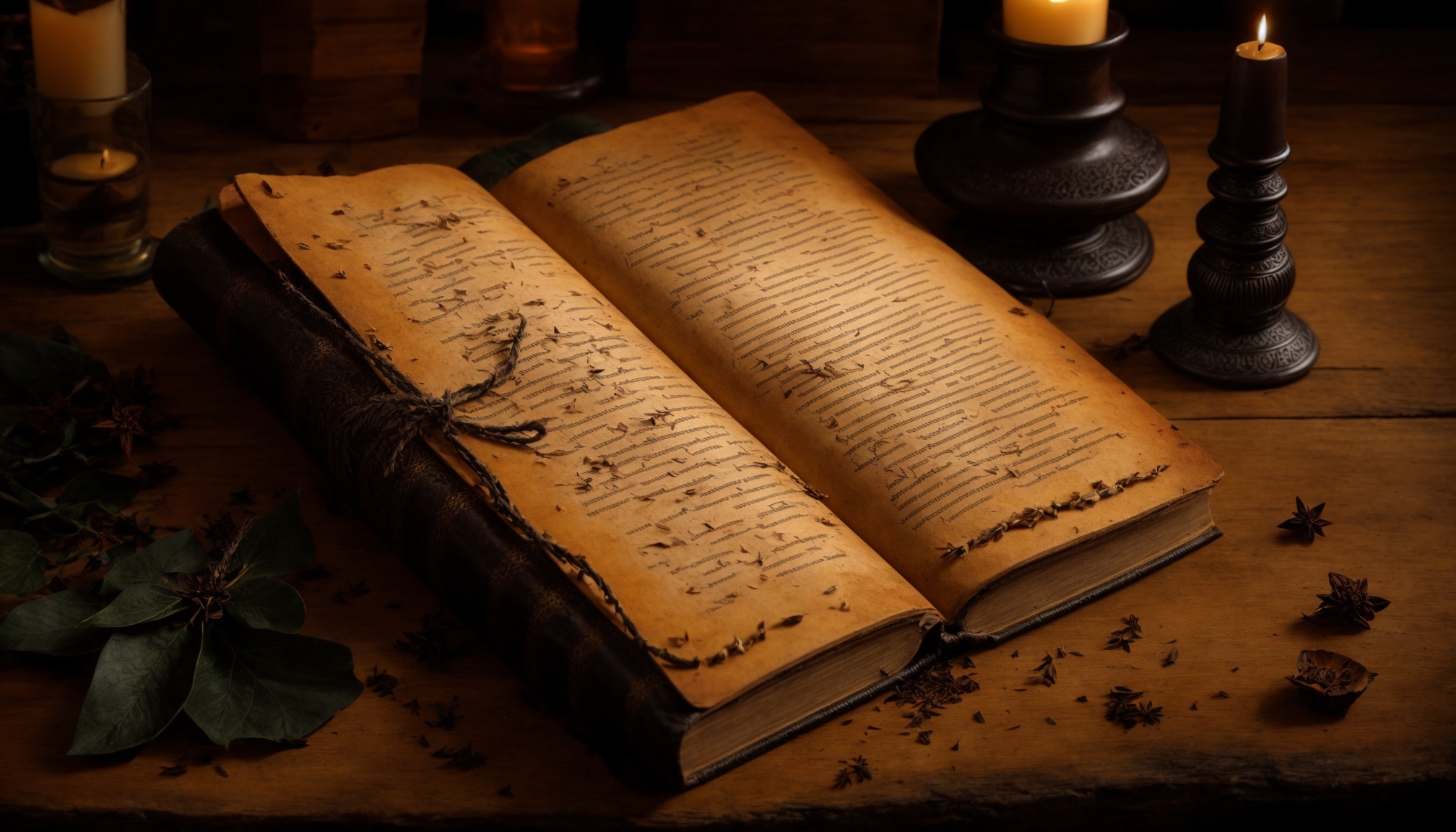
Horror rooted in ancient practices carries a unique weight that modern threats cannot replicate. When readers encounter tales of forgotten rites performed in stone circles or whispered incantations from decaying manuscripts, they connect with fears that predate written history. This genre thrives because it suggests that our ancestors knew something terrible, something they tried desperately to contain or forget.
Authors like H.P. Lovecraft pioneered this subgenre by creating fictional grimoires such as the Necronomicon, a fabricated text that has since taken on a life of its own in popular culture. His stories depicted scholars who stumbled upon forbidden knowledge and paid devastating prices for their curiosity. Meanwhile, the real historical texts that inspired such fiction remain equally disturbing to modern readers.
Several genuine historical manuscripts have provided fertile ground for horror writers seeking authentic source material. The Key of Solomon, a Renaissance-era grimoire attributed to the biblical king, contains detailed instructions for summoning and binding spirits. Although scholars debate its origins, the text’s influence on occult fiction remains undeniable.
The Voynich Manuscript presents another fascinating case, featuring an unknown language and bizarre illustrations that have defied translation for centuries. Horror authors have imagined countless explanations for its contents, from alien communications to instructions for reality-altering rituals. Similarly, the Egyptian Book of the Dead has inspired stories about curses awakened when tombs are disturbed, a theme that gained particular prominence after the discovery of Tutankhamun’s burial chamber.
Read More: The History and Mystery of Grimoires in Western Occultism
Beyond written texts, actual historical rituals provide rich material for contemporary ancient ritual horror stories that disturb and fascinate audiences. Mesoamerican sacrificial practices, Celtic druidic ceremonies, and Norse blót rituals have all been reimagined in terrifying fictional contexts. These practices, stripped from their cultural meanings, become raw material for exploring humanity’s capacity for violence in service of belief.
Folk horror, a subgenre experiencing significant revival, particularly excels at depicting isolated communities preserving dangerous old ways. Films like Midsommar and The Wicker Man demonstrate how seemingly bucolic settings can conceal horrifying traditions. These stories suggest that beneath civilization’s veneer, older and more savage customs await their chance to resurface.
Japanese horror has similarly mined its rich folkloric tradition, creating tales of vengeful spirits bound by ritual curses. The concept of onryō, spirits driven by powerful emotions who return to haunt the living, has produced countless chilling narratives that spread globally through films and literature.
The persistent popularity of ritual-based horror reflects deeper anxieties about knowledge, transgression, and consequence. In an age of information overload, the idea that some knowledge should remain hidden carries paradoxical appeal. Ancient ritual horror stories remind readers that curiosity has limits and that some doors, once opened, cannot be closed.
These narratives also address contemporary concerns about cultural appropriation and the danger of engaging with practices outside one’s understanding. Characters who dabble in rituals they do not comprehend inevitably suffer, suggesting that respect for tradition and caution toward the unknown remain vital virtues.
Furthermore, ritual horror taps into the fear of losing individual agency. Ceremonies require participants to surrender control, follow prescribed actions, and trust in outcomes they cannot predict. This surrender mirrors anxieties about conformity, cult mentality, and the darker aspects of group psychology that modern society has not escaped.
Today’s creators continue expanding this genre while adding fresh perspectives. Video games like Amnesia and Outlast place players directly into scenarios involving dangerous ceremonies, creating interactive experiences that amplify the genre’s impact. Streaming series have embraced longer formats that allow deeper exploration of fictional cults and their practices.
Independent authors have also contributed significantly, with small press publishers specializing in occult horror finding dedicated audiences. These writers often conduct extensive research into genuine historical practices, lending their fiction an unsettling authenticity that casual readers might not recognize. However, this verisimilitude serves the horror rather than promoting actual occult engagement.
Ancient ritual horror stories will likely continue evolving as new archaeological discoveries and historical research reveal forgotten practices. Each unearthed tablet or decoded manuscript potentially contains seeds for tomorrow’s nightmares. The past, it seems, will never stop providing material for those who wish to frighten us with reminders of what humanity once believed necessary to appease forces beyond comprehension.