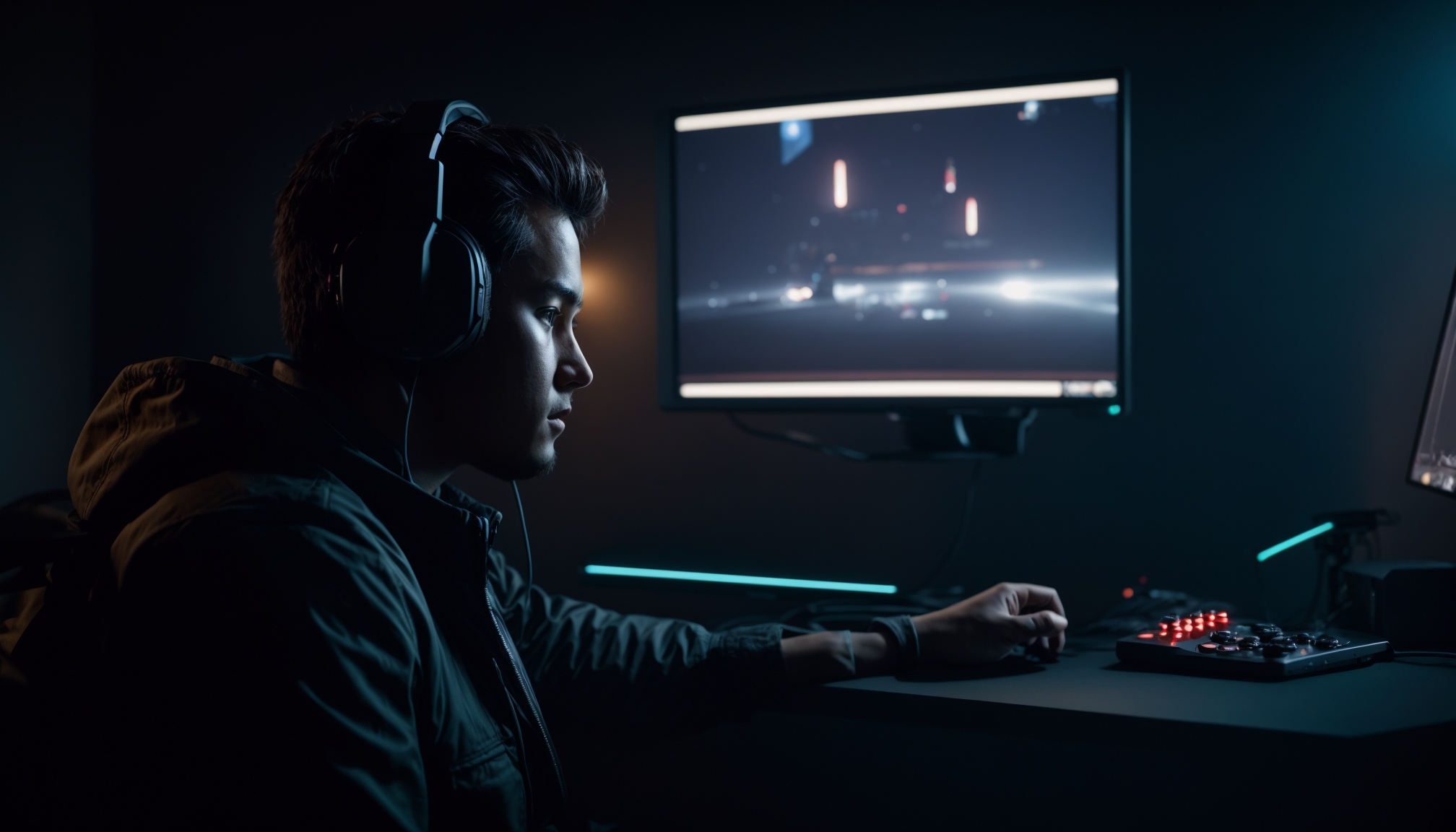
Horror Yearbook – Modern horror titles increasingly rely on player choice in horror design to turn simple decisions into sources of lasting dread and psychological tension.
Many horror games no longer scare players only with jump scares or loud noises. Instead, designers build systems where every action feels risky, and where player choice in horror becomes the core engine of fear. When players know their decisions permanently shape outcomes, hesitation itself becomes frightening.
This approach works because it forces players to confront responsibility. Rather than watching a doomed character on screen, they directly cause success, failure, and suffering. That awareness intensifies dread, especially when information is limited and the consequences are unclear.
On the other hand, unpredictability keeps tension high. If the game reacts dynamically to what the player does, then no choice feels safe or routine. Even opening a door, picking up an item, or speaking to a character can feel like a trap waiting to snap shut.
Effective horror design makes ordinary interactions feel dangerous. Games often hide critical consequences behind moments that look trivial. This design pushes players to overthink, second-guess, and doubt their instincts, which deepens the emotional impact of every scene.
A common method is to give players incomplete information. They must choose a path without knowing which corridor hides danger, which ally will betray them, or which item will matter later. Because the results may only appear hours afterward, anxiety lingers over every earlier move.
Some titles link long-term survival to tiny choices. Saving resources, choosing when to run or fight, or deciding who to trust can all reshape the story. As a result, the weight of player choice in horror grows with each passing chapter, because past actions cannot be undone.
Horror frequently exploits moral tension. Games place players in ethically ambiguous situations where no answer feels clean. The goal is not to offer a “correct” solution, but to force reflection on guilt, responsibility, and regret.
Designers may require players to pick which character survives, whether to sacrifice one person to save many, or whether to harm a threatening figure who might actually be innocent. These choices do more than shift plot branches; they reshape how players feel about themselves within the game world.
When narrative systems remember these decisions, the experience becomes even heavier. Characters may reference past actions, environmental details may change, and future endings can reflect those moments of weakness or courage. Through this, player choice in horror becomes a mirror for personal values under pressure.
Read More: How designers build psychological and systemic horror experiences
Beyond branching stories, many games rely on systemic design to generate fear. Dynamic enemy behavior, shifting environments, and reactive soundscapes can all respond to player actions in subtle ways. As a result, players feel hunted, watched, and punished for missteps.
Randomization also plays a role. When item locations, enemy patrols, or scare triggers change each playthrough, memorization loses power. This design keeps players alert, because they cannot rely on previous knowledge to stay safe. Every hallway can surprise them again.
At the same time, clear feedback about mistakes deepens anxiety. If a loud noise summons threats or wasted ammunition leads to starvation later, then small lapses become frightening. The logic is simple: the world remembers, and so does the player. With each reminder, player choice in horror feels harsher and more permanent.
Horror games also manipulate how players see and control the world. Limited visibility, clumsy movement, and slow interactions can feel terrifying when danger looms nearby. These constraints turn basic tasks into stressful tests of nerve and timing.
For instance, fixed camera angles or tight first-person views can hide threats just out of sight. Players must commit to moving forward without knowing what stands around the corner. Meanwhile, opening menus or managing inventory may leave them exposed, heightening the sense that every second counts.
Some titles further restrict saving or rewinding choices. Without easy reloads, players accept that mistakes and bad outcomes will persist. Because of that, player choice in horror carries a sharper edge, pushing them to think carefully before acting.
When used thoughtfully, these techniques do more than scare. They encourage reflection on how people behave under stress, how they weigh risk, and how they handle regret. The strongest examples do not punish players randomly; they reveal a consistent logic that feels cruel but fair.
Over time, players learn to read subtle cues, plan ahead, and accept imperfect decisions. They understand that discomfort and uncertainty are part of the experience, not flaws to avoid. In that process, player choice in horror becomes a powerful tool for emotional storytelling.
Ultimately, the most memorable horror games are not just about monsters or shadows. They are about the fear of choosing wrong, the burden of living with consequences, and the chilling realization that hesitation can be as dangerous as action. By centering player choice in horror, developers transform simple interactions into enduring, unsettling memories that follow players long after the screen goes dark.