Horror Yearbook – Myth based horror narratives continue to shape modern scares, turning centuries-old legends into stories that feel uncomfortably close to real life. Filmmakers, novelists, and game studios draw on shared cultural memory, local taboos, and ritual imagery to build dread that outlasts jump scares.
Myths rarely behave like ordinary fiction. They arrive with implied witnesses, places, and rules, and that structure gives horror a borrowed legitimacy. Even when an audience knows a creature is invented, the narrative suggests it has always existed somewhere in the background.
In addition, mythic stories often use cause-and-effect moral logic: break a taboo, cross a boundary, or ignore a warning, and something follows. That kind of horror feels less random than a typical slasher plot. It also mirrors how people explain misfortune in real communities, which keeps tension grounded.
Because myths travel across generations, they carry the texture of communal belief. A haunted forest, a cursed river bend, or a forbidden room becomes more than a set piece. It becomes a social memory, and that memory makes fear easier to access.
Myth based horror narratives often succeed because they target what a community already treats as sensitive. That may include burial customs, sacred objects, hospitality rules, or family obligations. Instead of relying on gore, the story threatens social order, which can feel more personal than physical danger.
However, this approach demands care. When creators borrow from living traditions, accuracy and respect matter, especially when the source comes from marginalized cultures. The best stories show research in small details: the language around a ritual, the geography, the seasons, and what characters fear most.
On the other hand, horror also thrives on contradiction. It can expose hypocrisy, corruption, or exploitation under the surface of “tradition.” When done well, myth-driven horror becomes a critique as much as a scare engine.
Many mythic monsters embody emotions that people struggle to name. A spirit that returns after betrayal can represent guilt that refuses to stay buried. A shapeshifter can echo fears about identity, intimacy, or being misread by others.
Meanwhile, the rules tied to mythic beings—do not look back, do not speak their name, do not accept a gift—act like emotional pressure points. They mirror how trauma and grief operate: the mind circles a forbidden thought, then breaks its own rule.
As a result, the monster feels both external and internal. The audience fears the entity, but also fears what it reveals about the characters. That dual threat is one reason these stories remain sticky long after the credits.
Read More: How folklore shapes belief and storytelling traditions
Contemporary creators rarely retell myths word for word. Instead, they remix motifs into formats that match current anxieties: surveillance, isolation, ecological collapse, and social distrust. A village legend becomes an urban rumor. A curse becomes a chain letter, a viral video, or a game quest.
In film, sound design does heavy lifting. Whispered prayers, distant drums, or altered human voices can signal that the story has entered a sacred or forbidden space. In games, interactivity turns taboo into mechanics. The player must choose whether to open the sealed door or read the prohibited text.
Therefore, myth becomes a flexible engine. It supplies lore and rules, while modern settings provide immediacy. This mix can produce dread without needing constant escalation.
One striking trend is how region-specific horror performs globally. Audiences increasingly seek stories rooted in precise places rather than generic “anywhere” towns. A myth tied to a particular coastline, mountain range, or neighborhood carries sensory credibility.
Nevertheless, creators must translate without flattening. Subtitles can carry dialogue, but they cannot automatically carry context. Smart adaptations use character perspective to explain what matters: what is forbidden, what is respected, and what the community refuses to discuss.
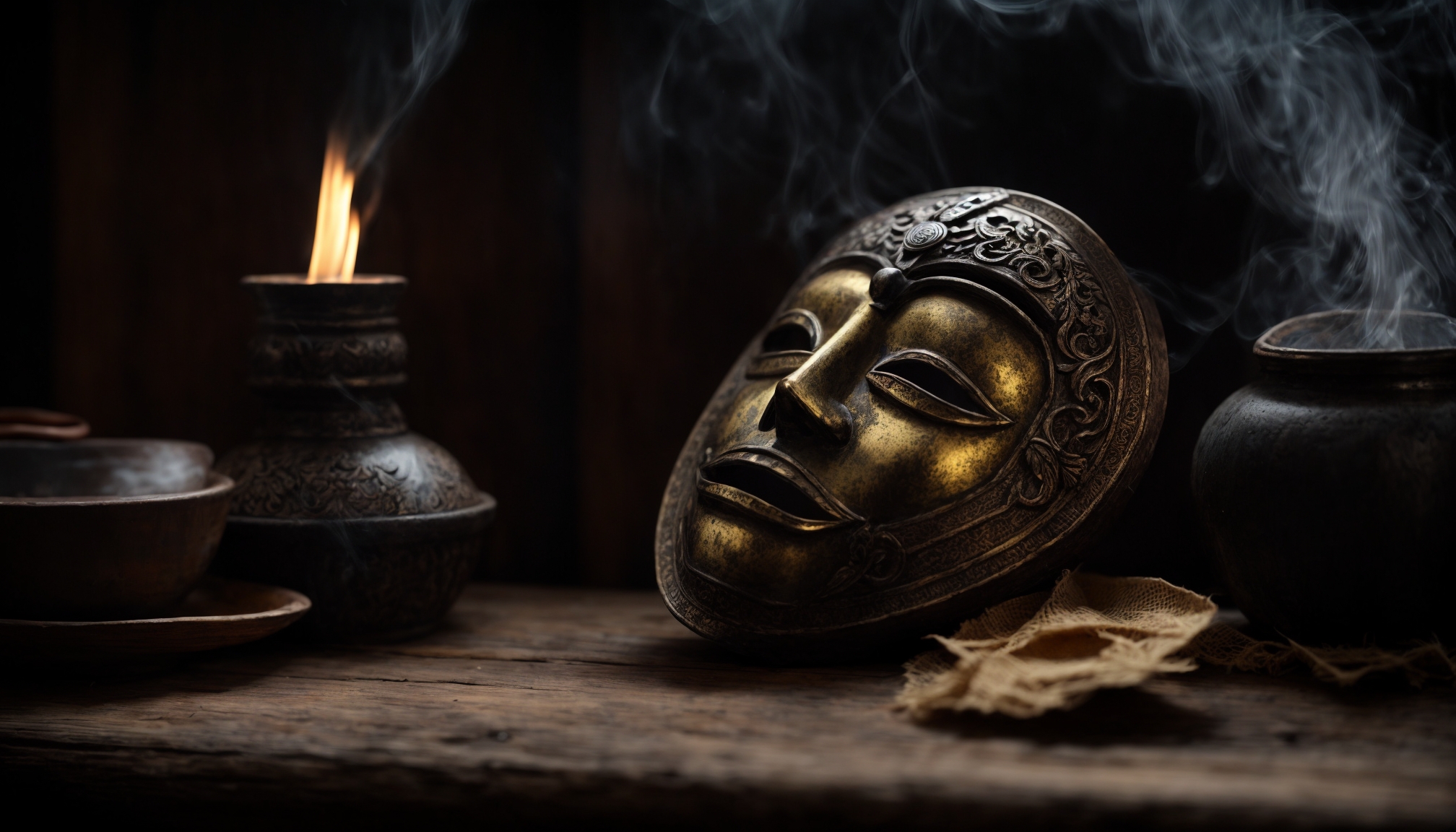
That is also where production design shines. Everyday objects—bowls, woven mats, incense holders, family photos—can become unsettling when placed in ritual logic. The familiar turns strange, and the strange turns intimate.
Shock is brief, but dread lingers. Many viewers and readers return to mythic horror because it promises an atmosphere with rules. The scare is not only “something jumped out,” but “something has been watching for a long time.”
In addition, mythic narratives often offer ambiguity. The creature may not be fully seen, or its motives remain partially unknowable. That restraint can feel more frightening than explicit explanation, because the mind keeps building possibilities.
Some of the strongest entries also weave in ethical tension. The story asks whether the characters deserve what happens, or whether the “curse” is really the result of human wrongdoing. That uncertainty invites debate, which keeps the story alive socially.
Writers and directors who want lasting impact usually start with research rather than aesthetics. They consult primary sources, local historians, or community elders when possible. They also avoid reducing a living belief system to a prop.
After that, they focus on viewpoint. Whose fear is being centered, and why? A respectful narrative gives characters agency and avoids using a culture merely as an “exotic” background for terror.
Finally, strong mythic horror commits to consequences. If a taboo matters, show why it matters. If a ritual protects people, show its cost. Stakes anchored in culture create emotional weight, and emotional weight makes fear memorable.
As long as communities pass down warnings, mysteries, and sacred boundaries, myth based horror narratives will remain a reliable path to deep fear. They thrive because they connect entertainment to inherited memory, and they turn the past into an active presence.
For audiences overwhelmed by disposable content, these stories also feel substantial. They imply roots, history, and rules that existed before the first scene. Even when the setting is modern, the dread feels ancient.
To explore the craft and cultural power behind myth based horror narratives, creators increasingly blend careful research with modern pacing, ensuring the old legends keep finding new doors to enter.
Myth based horror narratives endure because they turn collective belief into a storytelling engine, and that engine can generate dread across any medium. When handled with respect and precision, myth based horror narratives deliver terror that feels timeless, intimate, and hard to forget.