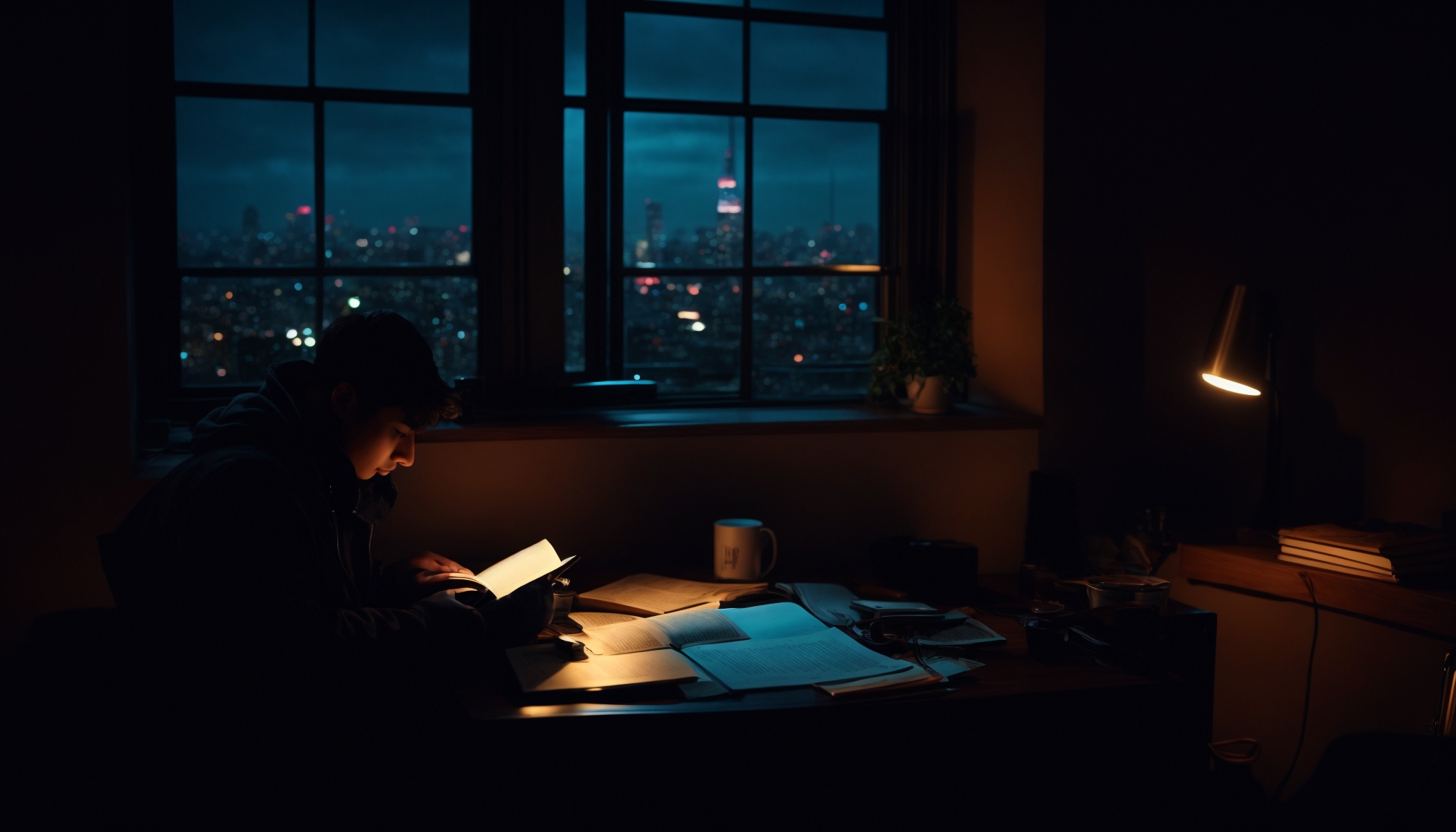
Horror Yearbook – Tales whispered at sleepovers and shared in late-night forums show how dark urban legends lore evolves from real fears, half-remembered crimes, and cultural anxieties that refuse to fade.
Every society carries a set of frightening stories that feel almost true. These narratives often emerge where facts collide with imagination. Rumors about unexplained crimes, mysterious disappearances, and strange coincidences slowly harden into dark urban legends lore passed between generations.
Researchers of contemporary folklore note a repeating pattern. A real event sparks fear, then details blur over time. Witnesses disagree, the media adds drama, and people fill gaps with speculation. Eventually, the story becomes more about psychological impact than evidence.
Because of this, many famous urban myths serve as cautionary tales. They warn about trusting strangers, staying out too late, or ignoring social rules. The moral message keeps the stories alive, while the original truth dissolves into the background.
University campuses provide fertile ground for modern myths. New students, unfamiliar places, and late-night gossip create ideal conditions for rumors. Some of the most chilling tales connect directly to real safety concerns, which helps anchor dark urban legends lore in everyday life.
Stories about a “roommate murder” or a stalker who breaks into dormitories often echo real incidents that occurred decades earlier. Over time, names and locations change, but the core fear remains. Young adults, newly independent, use these stories to map invisible danger zones around them.
On the other hand, administrators sometimes try to debunk myths with official statements. Yet each attempt to deny or clarify can backfire. Listeners may assume authorities are hiding something, which deepens the aura of mystery and reinforces belief.
Some famous myths rely on ritual: saying a name into a mirror, refusing to answer a ringing phone, or avoiding a particular road at night. These actions give abstract fears a simple physical form. Dark urban legends lore often asks people to perform or avoid small acts as a way to bargain with the unknown.
Psychologists point out that ritual gives a sense of control. When people repeat the same words in front of a mirror or follow a strange set of rules at sleepovers, they feel both scared and empowered. They experiment with fear in a controlled setting.
In addition, rituals create shared experiences. Groups of friends who repeat the same myth, chant, or challenge build a micro-community around that fear. The story becomes part of their social identity, not just a piece of entertainment.
Baca Juga: In-depth encyclopedia overview of modern urban legends
Digital communication has transformed how these tales spread. Social media, message boards, and short-form videos allow a single story to reach millions in days. As a result, dark urban legends lore now mutates quickly across platforms and languages.
Some myths originate as deliberate fiction, posted on forums dedicated to horror storytelling. Yet once they detach from the original author, audiences may start to treat them as real. Screenshots, edited photos, and staged videos add a layer of visual “evidence” that convinces skeptical viewers.
Meanwhile, algorithms reward sensational content. Posts with shocking hooks, eerie images, or unexplained footage gain more visibility. This creates a feedback loop: the more disturbing or mysterious a story appears, the faster it spreads and the harder it becomes to debunk.
At the core of dark urban legends lore lies a cluster of shared fears. These myths often reflect worries about crime, social change, technology, and moral decline. A faceless threat in a story may stand in for deeper unease about loneliness, economic insecurity, or mistrust of institutions.
Many legends also encode social rules. Stories that punish reckless behavior, betrayal, or cruelty reinforce a sense of right and wrong. Even when listeners claim not to believe, they still remember the implied consequences and adjust their behavior, especially in unfamiliar settings.
Because of this dual role, frightening tales perform important cultural work. They entertain, but they also provide a language for discussing topics that people find uncomfortable. In that sense, dark urban legends lore acts as both a mirror and a warning signal.
Despite relentless fact-checking and easy access to information, many myths endure. People sometimes prefer a compelling story over a dull explanation. Dark urban legends lore feels vivid, personal, and emotionally satisfying in ways that raw data rarely matches.
As long as societies face uncertainty and danger, these tales will adapt. New technologies, new cities, and new social fears supply fresh material. Old myths gain digital updates, shifting from whispered campfire confessions to viral posts and video threads.
Ultimately, dark urban legends lore survives because it lives where logic and emotion meet. The stories capture what we fear, what we desire, and what we hide from ourselves, ensuring they remain part of our nightly conversations for generations to come.